Mostrando las entradas con la etiqueta precepto. Mostrar todas las entradas

20 junio 2023

El mejor regalo del día del padre.

Querido papá:

Hoy es un día especial para celebrar a alguien tan importante como tú, un padre ejemplar. Quiero aprovechar esta oportunidad para agradecerte por ser mi guía, mi apoyo incondicional y mi mayor inspiración en la vida.

Tu amor, paciencia y dedicación han sido fundamentales para formar la persona que soy hoy. Siempre has estado ahí para escucharme, animarme y orientarme en cada paso que he dado.

Hoy quiero honrar todo lo que has hecho por mí y expresar mi gratitud infinita. Tu presencia constante en mi vida ha dejado una huella imborrable. Me has enseñado la importancia de la honestidad, el trabajo duro y el valor de la familia.

Feliz día del padre, querido papá. Que este día esté lleno de alegría y bendiciones. Espero poder retribuir todo el amor y cuidado que me has dado a lo largo de los años.

Con todo mi amor y admiración,
Ricardo, tu hijo.

---- 

x + 1 

Hola papá, buenos días.
Te escribo para saludarte y además para felicitarte por ser un gran padre.

En este Día del Padre quiero agradecerte por todo lo que has hecho por nosotros. Eres un ejemplo de fuerza, dedicación y amor. Gracias por tus consejos, por tu apoyo incondicional y por siempre estar ahí cuando te necesitamos. Eres el mejor papá del mundo y te deseamos un día lleno de alegría y felicidad. ¡Te quiero mucho! Te mando un fuerte abrazo.

---- 

x + 2

Hola papá, buenos días.
¡Feliz Día del Padre!
Hoy es un día especial para agradecerte por todo lo que haces, por tu esfuerzo constante, tus consejos sabios y tu amor incondicional. Ser padre no es solo dar la vida, sino estar presente, apoyar en los momentos difíciles y celebrar cada logro como si fuera propio.
Gracias por ser ese ejemplo de fortaleza, paciencia y cariño que deja huella en todo lo que haces.
Te mereces todo lo bueno hoy y siempre.
Te quiero mucho papá. Te mando un fuerte abrazo.

****

Papá muchas gracias por estar a mi lado, por ayudarme a levantarme cuando caía, por enseñarme el camino correcto y sobretodo gracias por ayudar a formar el hombre que soy hoy en día.

Siempre conservo con cariño los recuerdos del tiempo que pasamos juntos, cuando antes nos ganabas en el Mortal Kombat y con el paso del tiempo ahora nosotros ganábamos.

Reconozco que por huevón y distraído no hemos hablado tan seguido y quizás te haya hecho sentir apartado, si fue así te pido una disculpa pero lo cierto es que te tengo más en cuenta de lo que parece.

Ojalá las cosas mejoren aquí en la casa y a ver cuándo nos vemos para que te dé tu regalo.

Te mando un abrazo, te quiero mucho papá.

---- 

x + 1

Papá, muchas felicidades y te mando un fuerte abrazo.
Gracias por mostrarme poco a poco la realidad de la vida, por enseñarme como funciona en varios aspectos la mente humana pero sobre todo gracias de todo corazón por tu apoyo, comprensión y disponibilidad, aprecio mucho tus consejos y el tiempo que pasas con nosotros.

Te agradezco mucho y te quiero 🫂

---- 

x + 2

Papá, primero que nada felicidades, no solo por ser padre, sino por ser un gran papá, una figura a seguir que demuestra mejor que nadie que a pesar de los acontecimientos que marcaron el pasado uno puede aprender de ello para ser alguien mejor en el día a día y así poder formar un buen futuro, gracias por haberme inculcado buenos valores, gracias por ayudarme a despejar el camino cuando se encontraba penumbroso, gracias por guiarme para ser mejor persona, gracias por los momentos que pasamos juntos hasta la fecha, de hecho no hace mucho vi un envoltorio de Carlos V y me llegó un recuerdo nostálgico de cuando era pequeño, de cuando nos compraste unos Carlos V y tenían stickers de angry birds y que incluso uno lo pegamos en la Xbox, muchas gracias también por ser uno de mis mejores maestros, considero que sin tus enseñanzas no me sería tan fácil comprender los temas en la escuela, y bueno si sigo escribiendo probablemente el mensaje sea tamaño biblia, perdón si te dibujé mal pero seguiré mejorando, te quiero 🫂


06 julio 2021

Padre y Memoria.

    Si hubiera vivido, mi padre se habría echado encima de mí con todo su peso y me habría aplastado.

    Afortunadamente, murió joven.

    En medio de los Eneas que llevan a cuestas a sus Anquises, pasé de una a otra orilla, solo y detestando a esos genitores invisibles, instalados encima de sus hijos para toda la vida; dejé atrás de mí a un muerto joven que no tuvo el tiempo de ser mi padre y que hoy podría ser mi hijo.

    ¿Fue un mal o un bien? No sé; pero acepto con gusto el veredicto de un eminente psicoanalista: no tengo superyo.

[Jean Paul Sartre, "Las Palabras"]


La Retórica de la Cita.

    No hacemos sino escribir lo que ya ha sido escrito.

    El acto de leer es una conversación diferida dice Gabriel Zaid. 


Padre y Memoria.

    La memoria involuntaria es la única que nos hace disfrutar de la misma sensación en una circunstancia totalmente distinta.

    La memoria voluntaria (una memoria de la inteligencia y de los ojos) no nos da el pasado sino rostros desprovistos de verdad.

    ...podría pensarse en la música como una metáfora de la habilidad que la memoria tiene de reagrupar, desde el flujo del tiempo, cualquier cantidad de imágenes y hechos que, por triviales que sean, secretan una coloración emocional que los relaciona entre sí.

    "La memoria es algo vivo, algo que está en tránsito. Y mientras dura un instante, todo lo que se recuerda se junta y vive: lo viejo y lo nuevo, el pasado y el presente, los vivos y los muertos."

[Eudora Welty]

    De donde se desprende el drama es del conjunto y del efecto que la totalidad de la historia propicia en quien lo lee.


La Invención del Padre.

    "La liga existencial más fuerte es la que se establece entre un hijo y su padre."

[Michel Contat] 


El Padre del Escritor.

    ... por todo lo que se ha dicho ya en el siglo XX a partir de la obra de Freud: la certeza de que el hijo siempre mira al padre, la opinión de algunos teóricos de que "la ética está en el padre", de que el proceso de identificación masculina se inicia en las etapas más tempranas de la infancia, de que resulta determinante para la mujer el tipo de relación que haya tenido con su padre al buscar y encontrar pareja.


El Cerebro de mi Padre.

    Ya que la identidad personal se basa en la memoria, temí por mi razón. 

[Jorge Luis Borges, "La Memoria de Shakespeare"]

    La memoria es la persona. Prive usted a alguien de sus recuerdos y dejará de existir como tal. Al desvanecerse la memoria, paulatina o súbitamente, el yo deja de estar en la conciencia y a partir de entonces sólo existe el cuerpo.

    La memoria es la identidad personal. Somos memoria.

    Primero se muere la persona, luego el cuerpo.

    El recuerdo es una "constelación temporal".

    Soy en la medida en que me cuento.

    Cuento, luego existo.

    En gran medida, dice [Jonathan] Franzen, vivir consiste en construir narrativas que van dando sentido a lo que sucede. "El proceso de ver a mi padre desaparecer es lo que me permitió cobrar pelan conciencia de que todos somos las historias que somos capaces de contar y de encarnar.".


Entre la Ciencia y la Literatura.

    La conciencia está en el carácter distorsionador de la memoria. Recordamos lo esencial del asunto, no los detalles. Y cada vez que recordamos lo hacemos con intensidades y colores distintos porque la memoria está muy motivada por nuestro presente y nuestro estado emocional. No importa la verdad o la falsedad o la adulteración de la materia recordada: la memoria nunca actúa de mala fe.

    Entre memoria e invención literaria hay entonces una íntima relación.

    Al cerebro hay que tratar de entenderlo en términos biológicos y no mediante analogías con la electrónica o la cibernética.

    Así, la memoria no reproduce sino que inventa, recategoriza y reclasifica. La memoria no es la repetición exacta de una imagen en el cerebro, sino una recategorización en el insondable cosmos de la bioquímica y el metabolismo cerebrales.

    Somos prisioneros del cerebro.


Neurología y Literatura.

    Recuerdo una cosa y al día siguiente la recuerdo de otro modo y es otra cosa. Cada recuerdo es una experiencia pasada que no tiene vigencia; no tiene inmovilidad. No es una estatua. Es una película.

[Francisco Ayala]

    La memoria inventa. No reproduce.


El Error de Descartes.

    Pero el corazón tiene su propia memoria.

[Albert Camus, La Caída]

    ... la razón no puede desligarse de su contexto emocional, todo lo contrario.

    El error de Descartes fue meternos en un racionalismo "intocable" que ponía los sentimientos por un lado y la razón por otro. [Antonio] Damasio sostiene que no es así y que los sentimientos, lejos de perturbar, tienen una influencia positiva en las labores de la razón: "En términos anatómicos y funcionales, es posible que exista un hilo conductor que conecte razón con sentimientos y cuerpo".

    Primero estuvo el cuerpo, dice Damasio, y luego el pensamiento. "Somos, y después pensamos, y pensamos sólo en la medida en que somos, porque las estructuras y las operaciones del ser causan el pensamiento".

    "Éste es el error de Descartes: la separación abismal entre cuerpo y mente, la sugerencia de que razonamiento, juicio moral y sufrimiento derivado del dolor físico o de alteración emocional pueden existir separados del cuerpo".

[Antonio Damasio]


Anatomía de la Memoria.

    Nuestro pasado no es lo que puede registrarse en una biografía; nuestro pasado es nuestra memoria. Puede ser una memoria latente o errónea, pero no importa: ahí está. Puede mentir; pero esa mentira, entonces, ya es parte de la memoria.

[Jorge Luis Borges]

     Debemos a la memoria una doble perspectiva, escribe [James] McConkey: no sólo el pasado informa el presente, también el presente colorea el pasado. Nuestro sentido del tiempo va cambiando con los años. En la infancia era más lento, más dilatado. Al llegar a la mediana edad, el tiempo se acelera y, en una suerte de presbicia de la memoria, recordamos mejor las cosas más lejanas en el tiempo que las vividas la semana pasada. A esta edad sentimos más la dimensión trágica de la vida y también su riqueza. A diferencia de otros animales, los seres humanos nos volvemos trágicos "porque podemos imaginar nuestra propia extinción". Pero nada como la memoria nos ayuda a mantenernos a  flote y a prepararnos para el final.


Proust Neurocientífico.

    A la verdad, tarde o temprano se llega por diversos caminos.

    De todos los sentidos el olfato y el gusto fueron los que más intrigaron a Proust, acaso porque son los más relacionados con los sentimientos.   

    Si no quieres adulterar nada del pasado no lo cuentes... Si no quieres matizarlo, no lo pienses. Porque más que reproducir, la memoria inventa, reorganiza en  categorías el asunto recordado.

    Así, el único paraíso es el paraíso perdido: el pasado.

    "Simplemente no hay manera de describir el pasado sin mentir"

[Jonah Lehrer]

    Y allí está el secreto de Proust: en que para recordar algo tenemos que recordarlo mal. Luego está la función del olvido, indispensable para pensar. Para editar el pensamiento. Olvidar es tan importante como recordar.


La Cuerda de la Memoria.

    Pero entonces la memoria descendería del suelo como una cuerda para salvarme del abismo de no ser.

[Marcel Proust]

    El inglés procede por imágenes... es mucho más plástico que el español y otros idiomas propensos a lo abstracto y a lo conceptual.

    ... la memoria nos constituye, ... la memoria es la persona, ... la memoria es ni más ni menos nuestra identidad personal. Soy en la medida en que me recuerdo y reconstruyo o cuento mi historia personal.


De Memoria.

    Parece como si existiera una memoria involuntaria de los miembros, pálida y estéril imitación de la otra, y que vive por más tiempo, como ciertos animales ininteligentes que viven más tiempo que el hombre. Las piernas, los brazos, están llenos de recuerdos entumecidos.

[Marcel Proust, "El Tiempo Recobrado"] 

    Al perderse la memoria también se va desvaneciendo lo que muchos actores reconocen como la "memoria emotiva". La experiencia emocional y la memoria a secas van juntas. Por eso el enfermo de la memoria o del olvido empieza a dejar de ser él mismo: se va desdibujando su identidad personal. Primero se muere la persona y luego el cuerpo. Sobrevive con un cerebro sin memoria.

    Dice [Eric Kendel] que a partir de los 25 años se manifiestan los primeros síntomas de pérdida de memoria. Hacia los 50 años, le cerebro empieza a encogerse. Cada año su volumen disminuye en un 1 por ciento.

    El conocimiento carnal se da en la esfera de las emociones, no en la de la razón. Más en el corazón que en la cabeza.

    La memoria transforma la realidad empírica en un microcosmos refractario, nebuloso o, por qué no decirlo, fabuloso. Guimaraes Rosa decía que lo bello es oblicuo y que detrás de la oscuridad de las ideas está la ingenuidad de los hechos.


El Tiempo Acelerado.

    Cuando empezamos a envejecer sentimos que los años pasan más de prisa. No era así en el remoto pasado de nuestra infancia irresponsable.

    Apenas empezamos a recordar hacia los tres o cuatro años; antes lo que hay es una especie de amnesia infantil.

    La vivencia del tiempo es una cuestión de óptica interna. La memoria ordena nuestras experiencias en el tiempo como un pintor ordena el espacio en perspectiva. Los recuerdos aportan profundidad a nuestra conciencia.

    La memoria está llena de equívocos porque el cerebro tiende a recordar lo esencial de las cosas, no los detalles.

    El tiempo realmente vivido y experimentado discurre lento cuando nos aburrimos o estamos en pena o enfermos, pero se escurre y se desvanece de manera más rápida cuando la estamos pasando bomba. Tiempo lento en el sufrimiento, tiempo rápido en la alegría.

    Mientras vamos dejando de ser jóvenes el tiempo se condensa, se acelera, nos elude. Recordamos mejor las cosas lejanas y más remotas, las de la infancia más temprana por ejemplo, que las que sucedieron ayer, en una suerte de presbicia de la memoria.

    Pero la memoria autobiográfica tiene sus leyes y va arreglando el pasado. Nada de lo que nos sucedió antes de los tres años lo recordamos. ¿Por qué? ¿Por qué las humillaciones sí tardan en olvidarse? Se recuerdan muchísimos años y de pronto un día el perdón de la memoria las evapora.


Constante Contacto con la Ficción.

   Lo dijo [Jorge Luis] Borges: la religión forma parte indisoluble de la literatura fantástica.


Recuerdo, Luego Existo.

   Si bien es cierto que la educación no nos da la felicidad, sí nos permite, en cambio, darnos cuenta de cuándo somos felices.

[Iris Murdoch]

    La imaginación no es otra cosa que la memoria fermentada.

[Antonio Lobo Antunes]

    Hay un momento en el que el ser querido ya no está. Nadie responde. No nos reconoce. Nadie reconocible habita ese cuerpo sin memoria porque finalmente lo que se ha extraviado para siempre es su identidad personal. Su yo. Su ser para los demás y para sí mismo.


La Epidemia de Alzheimer.

   Y es que la memoria nos constituye. El ser es memoria. La persona es la memoria y la memoria es nuestra identidad personal. Yo soy lo que he sido. Yo soy lo que recuerdo. Primero se muere la persona y después el cuerpo.

    Es posible que muchos enfermos sufran cada vez menos. Porque la propia conciencia también se va. Y para sufrir o temer a la muerte también se requiere de la memoria. Hay un "algo delicioso" en ese olvido, dicen algunos. Hay un aumento de sus placeres sensoriales conforme caen en esa eternidad sin pasado.


El Yo Fabulador.

    Cuanto se recuerda en la vida adquiere con el tiempo, precisamente por ser recordado, un carácter narrativo, y acaba viéndose, según el caso, como una película, una novela o un relato.

[Javier Marías] 

   Uno tiende a inventar y a contar mentiras no con el fin de engañar o proceder de mala fe sino para no dejar morir su imaginación. Tiene uno necesidad de referir historias, de contar para ser, porque por alguna enigmática razón sólo el trabajo de la memoria trastocada en narración es la que nos da una idea de quiénes somos: atañe esta labor narrativa a nuestra identidad personal.

Porque es posible que nuestra representación del mundo esté estructurada como una narración.

    El filósofo John Searle afirma que el lenguaje nos constituye y cohesiona a la sociedad.

    El lenguaje no sólo facilita la civilización, sino que la crea.

    Cuando contamos algo nos decoramos a nosotros mismos; se da toda una distorsión de la memoria no por razones aleatorias, sino por ciertas necesidades de la identidad personal.

[Jesús Ramírez Bermúdez]

    La memoria es humana y por lo tanto sentimental. No puede separarse de la emoción.


El Poder Pasión.

    La pasión tiene dos senderos: uno conduce al paraíso, el otro, al infierno.

    El escritor es un especialista en generalidades, pero en generalidades que particulariza y profundiza.

    Se padece y se goza en la creación. En cambio, en la adicción el sujeto se pierde por ciertas cosas.


Musicofilia.

    La música nos puede llevar a profundas emociones... Nos puede sacar poco a poco de un depresión... la música ocupa más zonas del cerebro que el lenguaje mismo. Los seres humanos, dice [Oliver] Sacks, somos una especie musical.

    La música es uno de los tres rasgos de identidad exclusivos del Homo sapiens

[Oliver Sacks]


 El Cerebro y el Sueño.

    Desde miles de años la especie humana va al desastre. Ha vuelto al mono, guardando la inteligencia del hombre.    

[Horacio Quiroga]

    El sueño es el alimento del cerebro, sin el sueño no puede cumplirse en su ciclo natural el metabolismo del cerebro.


Los Personajes de la Memoria.

    No deja de parecerse a un milagro que después de ese eclipse de la razón [el sueño] recobremos más o menos la razón.

    Y es que [Jorge Luis] Borges tenía para sí que cuando dormimos se enciende en nuestro cerebro un pequeño teatro y que, inexplicablemente, somos los actores, el auditorio, el edificio, el autor y las palabras que se dicen.

    Sabe [Jorge Luis Borges] que no hay memoria sin contexto emocional. Sabe que la memoria constituye la identidad personal, que la memoria es la persona, que la memoria es la imaginación.


La Cultura de la Dispersión.

    En cierto modo ya lo habían dicho varios maestros hindúes, como Swami Muktananda: la mente tiende a descontrolarse y uno no puede gobernarla.

    Las personas que meditan tienen más posibilidades de aplacar la agitación de lamente... el pensamiento --salvo en la muerte-- no se puede detener.

    El uso de internet no sólo está cambiando nuestros hábitos de lectura sino también nuestro modo de pensar.

    Entre más usamos el internet, más esfuerzos tenemos que hacer para leer textos largos, libros o artículos. La mente se nos va al monte como una cabra loca.

    La forma en que se busca, se encuentra, se reproduce, se utiliza, se comparte y se distribuye la información, de alguna manera va dejando su huella en el cerebro, como los pasos que a fuerza de caminar y caminar van estableciendo un sendero.


El Inconsciente Narrativo.

    A los seres humanos --en lo que les queda aún del niño que llevan dentro-- basta tocarlos con el pétalo de una ilusión para que salgan a las calles y las plazas a festejarlo... :la necesidad de creer.

    Más tarde o más temprano se impone el principio de la realidad y viene la decepción.

    La historia avanza porque los jóvenes tienen mayor capacidad de ilusión. Tienen toda la vida por delante, se sienten eternos y no saben de los fracasos de quienes los antecedieron.

    La oratoria de plaza sigue siendo el principal promotor del entusiasmo político.

    Las ideas, el pensamiento, la imaginación, la claridad, la capacidad de articular o concatenar emociones e ideas, el talento para poder expresarlas, son sólo posibles en la sostenida conversación con los muertos, es decir, con los autores del pasado que desde el libro nos hablan.

    La narración es una de las formas de construcción de la identidad. Lo que llamamos el yo es una narración. El pasado es una narración y el futuro es una propuesta narrativa todavía no publicada, escribe Constantino Bértolo.

    Y ya se sabe que (aunque no se sabe por qué) el corazón humano es más proclive a entender mejor una idea o un pensamiento cuando se le obsequia en forma de cuento.

    Porque a través de la narración, añade Constantino Bértolo, se le ofrece al ser humano la experiencia de la comprensión. Y de esa manera --tanto ahora como en los tiempos de Cicerón-- el orador conecta con el inconsciente narrativo de las masas.

    La narración tiene el poder de persuadir y motivar, porque apela a nuestras emociones y a nuestra capacidad de establecer empatía.

    "Biológica, fisiológicamente no somos tan diferentes unos de otros: pero históricamente, como narraciones vivas, cada uno de nosotros es único e irrepetible."

[Oliver Sacks]


En Borges el Habla se Homologa a la Escritura.

    Si yo cuento un sueño ya estoy modificándolo.

    Cuando soñamos estamos en la eternidad. Al despertar le damos una forma sucesiva a todo.

    Borges pensaba que lo importante del arte es conmover, no persuadir.

    Decía [Borges] que todo escritor debe pensar que cuanto le ocurre es un instrumento.


La Atención Dispersa.

    La falta de información puede ser tan nociva como su exceso porque impiden el entendimiento.

    Y si la inteligencia es la capacidad de asociar, de establecer relaciones, ahora resulta que la sobrecarga informática promueve en nosotros, víctimas pasivas, la atención dispersa, cuando no nos crea problemas de memoria, y nos angustia.

    Mire usted, explicó Sherlock Holmes, el cerebro humano es como un ático vacío que debe amueblarse como uno prefiere. Un tonto mete allí todos los trastos de todo tipo que va encontrándose y, de esta manera, los conocimientos que pudieran serle útiles quedan atrapados, revueltos con otras cosas, de modo que tiene dificultad para echarles mano. En cambio, el trabajador hábil se fija mucho en lo que mete en su ático mental. No tendrá en él más que las herramientas que pueden ayudarle a realizar su trabajo.


La Bilis Negra.

    Areteo de Capadocia decía que "los melancólicos son inquietos, tristes, desanimados, insomnes, son presas del terror si la afección hace progresos. Se ponen flacos por su agitación y llegan a perder el sueño vivificante".

    Ya hacia 1820 [...] se empezaba a creer en una forma de demencia parcial definida como desorden emocional cuyos signos clínicos y etiológicos reflejaban pérdida, inhibición, decaimiento. Esto llevó a que a la melancolía se le rebautizara como "depresión".

    Yo creo que prácticamente todos los escritores son melancólicos, que la literatura es la melancolía misma.


La Memoria del Cuerpo.

    Para saber de amor, para aprenderlo, haber estado solo es necesario. Y es necesario en cuatrocientas noches --con cuatrocientos cuerpos diferentes-- haber hecho el amor. Que sus misterios, como dijo el poeta, son del alma, pero un cuerpo es el libro en que se leen.

[Jaime Gil de Bidema]

    ... la mente se difumina por todos los intersticios del organismo.

    En el encuentro copular los cuerpos se adivinan y sorprenden.


La Mente Narrativa.

    Vivimos siempre en el pasado. Lo que creemos que está sucediendo en este momento no es sino la intervención de la memoria. En una conversación el sonido de una voz activa el receptor auditivo de la persona que está escuchando pero allí ya transcurrió un tiempo: entonces la memoria interviene.

[Ranulfo Romo Trujillo] 

    ...la razón de ser de todas las universidades es una sola: enseñar a escribir... Porque las ideas, la adquisición y la transmisión del conocimiento se hacen por escrito y se asimilan mediante la lectura.

    En uno de ellos [ensayos sobre literatura de la sección de neurobiología], levantado al azar, se razona que todo en nosotros, los animales humanos, es narrativa. Es decir, que somos puro cuento.

    El lenguaje mismo, dice [Mark] Turner, es producto de la mente literaria.

    La capacidad narrativa, como actividad mental, es esencial en el pensamiento humano.

    Casi siempre la mente humana se ocupa de construir historias y de proyectarlas.


Piel de Topo.

    Pensamiento en fuga, yo lo quería escribir; en cambio escribo que se me ha escapado.

[Blaise Pascal, Pensamientos]

    ... hay pensamientos que se van y retornan pero también los hay que vienen y se van para nunca más volver.


La Loca de la Casa.

    Para escribir mis cuentos yo elijo que sucedan en una época un poco lejana y en un lugar un poco lejano. Eso me da libertad para fantasear e incluso falsificar. Puedo mentir sin que nadie se dé cuenta y, sobre todo, sin que yo mismo me dé cuenta.

[Jorge Luis Borges]

    ...toda autobiografía, en última instancia, es una ficción.

    ... todos somos personajes en busca de un autor que nos diga quiénes somos. ¿Quién soy yo, cómo me ven los otros, cómo soy para los demás y para mí mismo? ¿Quién soy yo como criatura que flota ignorante e inerme en el universo?

    Cuando el cerebro sin memoria se diagnostica como mal de Alzheimer el enfermo entra en una de las fases terminales más crueles y humillantes de la existencia: primero muere la persona y luego --a veces mucho tiempo después-- el cuerpo.

    ... la memoria, dice José Antonio Marina, "no es un lastre que debemos soltar para ir más ligeros, sino el combustible que nos permite volar".

    La memoria inteligente es un sistema dinámico.

    ... no podríamos vivir ni pensar sin memoria.

    Y las creencias no se discuten porque están llenas de afectos y emociones que no siempre tienen que ver con la racionalidad. Tienen que ver más con el corazón que con la razón.

    Habla [La Loca de la Casa] del enamoramiento, la locura socialmente aceptable. Gracias a la fantasía, que actúa también para la reproducción de la especie, uno le inventa a la persona amada cualidades que no necesariamente tiene para los demás, más objetivos. Aunque parezca una paradoja, enamorarse es como caer en una locura sana que con el tiempo, desventuradamente, habrá de desvanecerse.

    Nos permitimos la locura a través de la pasión, que es una manera segura de sacar la locura, dice Rosa Montero.


Cerebro y Corazón.

    El siglo XXI será el siglo del cerebro porque los neurobiólogos llegaremos a comprender cómo funcionan la conciencia, el pensamiento y las emociones.

[Jean-Pierre Changeux]

    ... la emoción es parte de la conciencia. Razón y emoción son las dos caras de la misma moneda. Y con las dos se piensa y se toman decisiones. 

    El neurólogo francés Jean-Pierre Changeux sabe que las emociones forman parte del estado consciente y son importantes para la evaluación de lo que está ocurriendo alrededor del sujeto.

    ...el sistema límbico está compuesto por el hipocampo, la amígdala, el tálamo y el hipotálamo. A este sistema límbico se atribuye la función de regular las emociones.


La Mente del Escritor.

    La inspiración es el fruto más delicado de la memoria.

[Sergio Pitol]

    ...existe la creencia de que el cerebro especializado es el que tiene mayores posibilidades de ser creativo en un solo campo

    Y es que en todo ser humano confluyen tres dotaciones: la genética, la personal y la cultural, que casi siempre se entreveran. Desde muy pequeños, la mayor parte de los creadores muestran una notable independencia de espíritu que los lleva a disentir de los profesores y a cuestionar la realidad. En forma temprana también descubren temas y áreas que son terra incógnita y reconocen que hay muchas cosas que no saben. Tienen otra virtud: les gusta estar solos. Este aliento solitario, esta capacidad de darse cuenta de sí mismos, es propia de los seres creadores.


Federico Campbell.


21 diciembre 2020

La Lucha Contra el Demonio.

Stefan Zweig

 (Hölderlin - Kleist- Nietzsche)


 "... en todo hombre superior, y más especialmente si es de espíritu creador, se encuentra una inquietud que le hace marchar siempre hacia adelante, descontento de su trabajo..."
"... Siempre es la inquietud el primer síntoma de ese poder del demonio..."
"... y la inspiración llega inconscientemente del misterioso más allá y está por encima de nuestra ciencia..."
Introducción.

 
"... No ignora cuán fácil es ser feliz si uno tiene un corazón superficial..."
"... el heroísmo de un hombre encuentra el mayor peligro en los seres que más lo quieren..."
"... Así como el hombre necesita lo divino para no morir, lo divino necesita al hombre para ser realmente divino..."
"... Sólo llegará a ser verdadero héroe aquel que abandone su cómodo hogar para lanzarse en el torbellino de la tormenta..."
"... todo sistema es siempre un muro..."
"A pesar de todo, los débiles son arrastrados por el destino."
"... <<La libertad, para quien sabe lo que esta palabra significa, es algo lleno de profundidad>>..."
"... el dolor del genio es un dolor más alto..."
"... He gozado ya de lo que hay de agradable en este mundo; los placeres de la juventud se han ido. ¡Oh, cuánto tiempo hace! Se fueron ya abril, mayo y junio; ahora ya no soy nada; ya no me gusta vivir..."
Friedrich Hölderlin.

"... porque cuando es el demonio el que arrastra, no permite el calor del hogar ni la protección del techo..."
"... Para poder destruir a ese demonio interior que los domina, no pueden hacer nada más que destruirse a sí mismos..."
"No sé lo que te he de decir acerca de mí, pues soy una persona inefable."
"... Todos lo que tratan de estar a su lado retroceden ante su demonio interior..."
"... Los que lo conocían le creían frío e indiferente; pero los que lo tratan temen el incendio interior que le consume..."
"... Sólo el demonio le fue fiel..."
"... sabe que quien está cerca de él corre peligro de chamuscarse en las llamadas de su pasión..."
"... cada hombre debería tener un plan de vida..."
"... Mientras un hombre no sea capaz de formarse un plan de vida, seguirá siendo un menor y habrá de estar sujeto a la tutela de los padres o de la fatalidad..."
"... no sería alemán si no lo esperar todo del estudio..."
"... <<Nosotros nunca podremos afirmar si eso que llamamos verdad es verdad o sólo nos lo parece>>..."
"... <<¡Ah!, la ambición es un veneno que emponzoña todas las alegrías.>>..." 
"Si quieres sentir la satisfacción de tu propio mérito, debes conceder mérito al mundo.[Goethe]"
Heinrich Von Kleist.

"El interés que despierta en mí un filósofo depende exactamente de su capacidad para darnos un ejemplo."
"Vivir de un modo peligroso es el mayor placer que puede dar la existencia."
"En énfasis en el gesto no es porpio de la grandeza; quien necesita del gesto, es falso... Desconfiemos de todas las personas pintorescas."
"... el psicólogo sufre doblemente, porque vive dos veces su dolor: una vez, en la realidad, y otra vez, en la auto observación..."
"... La psicología, la intelectualidad, arrastran con fuerza al hombre sensible hacia el sufrimiento y hacia el desespero; pero también sólo por la psicología, por el espíritu, puede volver a la normalidad..."
"... Todos los conocimientos lo atraen y ninguno lo sujeta..."
"... es un tentador que es tentado continuamente por la tentación de tentar..."
"... Nietzsche está maldito, está condenado a pensar continuamente..."
"...<<Uno ama algo y, apenas ese algo se convierte en un amor profundo, el tirano que llevamos dentro (que podríamos llamar nuestro <<yo>> superior) dice: eso es precisamente lo que te pido en sacrificio. Y, en efecto, lo sacrificamos, pero no sin ser torturados a fuego lento.>>..."
"... nunca el estudio de los valores poseyó un aparato de precisión tan exacto, tan sublime, como Nietzsche..."
"... Nietzsche no quiere jamás, en ningún caso, ser feliz, sino sincero..."
"... La vida es, al fin y al cabo, conciliación, indulgencia..."
"... una forma esencialmente poética a una vida que, en esencia, es prosaica..."
"... como en todos los caracteres demoniacos, cada vez hay más fuego en su pasión, más impaciencia; cada vez es más tempestuoso, más revolucionario, más caótico..."
"... A los treinta años, edad en que el hombre normal empeiza a convertirse en un reposado burgués..."
"... el hombre sabio y ordenado sólo acepta aquello que su naturaleza puede aprovechar..."
"... La música penetra siempre con más fuerza en los hombres sacudidos por la pasión, debilitados y sometidos a tensiones violentas o desgarrados en lo más íntimo de su ser..."
"... La música (¿quién no lo ha experimentado?) necesita que uno esté predispuesto a recibirla, sumido en una especie de languidez femenina, para poder fecundar un sentimiento..."
"... Porque por las naturalezas trágicas tomamos conciencia de la profundiad del sentimiento. Y" sólo gracias a los desmesurados conoce la humanidad su última dimensión."
Friedrich Nietzsche.

24 noviembre 2020

Trópico de Cáncer

el caos es la partitura en la que se escribe la realidad

. . .

un hombre que nunca ha padecido una neurosis, no sabe lo que es sufrir.

. . .

Germaine era una puta de pies a cabeza, hasta el fondo de su buen corazón, su corazón de puta, que no es en realidad un buen corazón, sino un corazón indolente, indiferente, blando, que puede sentirse conmovido por un momento, un corazón sin referencia a un punto fijo interior, un gran corazón blando de puta que puede separarse por un instante de su centro auténtico. Por vil y limitado que fuera aquel mundo que se había creado para sí misma, aun así funcionaba en él espléndidamente. Y eso, en sí, es algo reconfortante. Cuando, después de que llegáramos a conocernos bien, sus compañeras me pinchaban, diciendo que estaba enamorado de Germaine (situación casi inconcebible para ellas), yo solía decir: «Pues, ¡claro! ¡Claro que estoy enamorado de ella! Y, lo que es más: ¡Voy a serle fiel!» Era mentira, naturalmente, pues me resultaba más difícil imaginarme amando a Germaine que amando a una araña; y si fui fiel, no fue a Germaine, sino a aquella mata que llevaba entre las piernas. Siempre que miraba a otra mujer, pensaba inmediatamente en Germaine, en aquella mata ardiente que había dejado grabada en mi mente y que parecía imperecedera. Me daba placer sentarme en la terraza del pequeño tabac y observarla ejercer su oficio, observar cómo recurría con otros a las mismas muecas, a los mismos trucos, que había usado conmigo. «¡Está trabajando!»... eso era lo que pensaba yo al respecto, y observaba sus transacciones con aprobación. Más adelante, cuando me hube aficionado a Claude, y la veía noche tras noche en su sitio de costumbre, con su redondo culito cómodamente hundido en el asiento de felpa, sentía una especie de rebelión inexpresable contra ella; me parecía que una puta no tenía derecho a estar allí sentada como una dama, esperando tímidamente a que alguien se acercara, mientras bebía a sorbitos su chocolat, pero no alcohol. Germaine era una buscona. No esperaba a que te acercases a ella: era ella la que te abordaba y te capturaba. Recuerdo tan bien las carreras en sus medias, y sus zapatos rotos y desgastados; también recuerdo cómo se plantaba en la barra y con actitud desafiante, ciega y valiente, se echaba una bebida fuerte entre pecho y espalda y volvía a salir. ¡Una buscona! Quizá no fuera agradable precisamente oler su aliento alcohólico, aquel aliento compuesto de café flojo, coñac, apéritifs, Pernods y demás cosas que se trincaba en los intervalos, en parte para calentarse y en parte para hacer acopio de fuerza y valor, pero su fuego la penetraba, y le abrasaba ese lugar entre las piernas donde las mujeres deben abrasar, y así se establecía ese circuito que le hace a uno volver a sentir la tierra bajo los pies. Cuando estaba tumbada con las piernas abiertas y gimiendo, aun cuando gimiese de aquel modo por todos y por cualquiera, estaba bien, era una demostración apropiada de sentimiento. No miraba fijamente al techo con ojos inexpresivos ni contaba las chinches en el empapelado de la pared; ponía los cinco sentidos en lo que estaba haciendo, decía lo que un hombre quiere oír cuando está montando a una mujer. En tanto que Claude... bueno, con Claude siempre había cierta delicadeza, hasta cuando se metía bajo las sábanas contigo. Y su delicadeza ofendía. ¿Quién va a querer una puta delicada? Claude te pedía incluso que volvieses la cara, cuando se ponía en cuclillas sobre el bidet. ¡Todo mal! Cuando un hombre está ardiendo de pasión, quiere ver las cosas; quiere verlo todo, verlas orinar incluso. Y, aunque es magnífico saber que una mujer tiene inteligencia, la literatura procedente del frío cadáver de una puta es lo último que se debe servir en la cama. Germaine estaba en lo cierto: era ignorante y sensual, se entregaba al trabajo con todo su corazón y con toda su alma. Era una puta de los pies a la cabeza... ¡Y ésa era su virtud!

Trópico de Cáncer, de Henry Miller 

. . .

Cuanto menos caso les haces, más te siguen. Hay algo de perverso en las mujeres... en el fondo todas son masoquistas. 

. . .

Para el caballerizo, cuyo deber es barrer el estiércol, el terror supremo es la posibilidad de un mundo sin caballos. Decirle que es repugnante pasar la vida amontonando con pala cagarrutas calientes constituye una imbecilidad. A un hombre puede llegar a gustarle la mierda, si su sustento depende de ella, si está por medio su felicidad.

. . .

Cuando alguien gasta para sí lo que tiene, cuando se da buena vida con su propio dinero, la gente suele decir: "No sabe qué hacer con su dinero." Por mi parte, no veo qué mejor uso se puede hacer del dinero.

. . .

En un tiempo pensaba que ser humano era el objetivo más alto que podía tener un hombre, pero ahora veo que estaba destinado a destruirme. Hoy me siento orgulloso al decir que soy inhumano, que no pertenezco a los hombres ni a los gobiernos, que no tengo nada que ver con credos ni principios. No tengo nada que ver con la maquinaria crujiente de la humanidad: ¡pertenezco a la tierra! Digo esto con la cabeza reclinada en la almohada y siento los cuernos que me brotan en las sienes. Veo a mi alrededor a todos esos antepasados míos bailando en torno a la cama, consolándome, incitándome, flagelándome con sus lenguas viperinas, sonriéndome y mirándome de reojo con sus siniestras calaveras. ¡Soy inhumano! Lo digo con una sonrisa demente, alucinada, y seguiré diciéndolo aunque lluevan
cocodrilos.

. . .

Eran ceros a la izquierda en todos los sentidos de la palabra, nulidades que forman el núcleo de una ciudadanía respetable y lamentable.

. . .

No puedes volverte europeo de la noche a la mañana.

. . .

... cuando el viento se llevó la lona y pudo contemplar el cielo, se dio cuenta de que no estaba en un circo, sino en un ruedo, exactamente igual que en cualquier otro sitio.

. . .

Los seres humanos constituyen una fauna y flora extrañas. De lejos parecen insignificantes; de cerca parecen feos y maliciosos. Más que nada necesitan estar rodeados de suficiente espacio: de espacio más que de tiempo.

Trópico de Cáncer
Henry Miller.


10 septiembre 2020

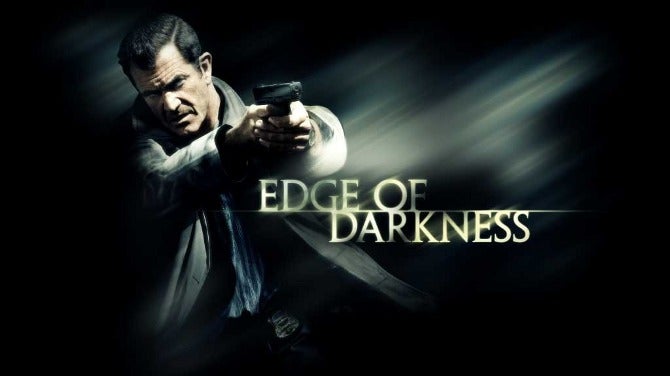
Edge of Darkness

--- You know, Bill. No one expects you to be perfect.

--- But there's a few basic things you got to get right.

--- Always do the best you can by your family:

--- Go to work every day.

--- Always speak your mind.

--- Never hurt anyone that doesn't deserve it.

--- Never take anything from the bad guys.

--- It's all. It's not much to ask...

Edge of Darkness
By William Monahan


04 septiembre 2020

El Anticristo

Termino aquí, pero antes quiero expresar mi sentencia. Condeno al cristianismo, formulo contra la Iglesia la más terrible de las acusaciones que haya lanzado acusador alguno. Es la más grande de todas las corrupciones que se puede imaginar; en ella palpita la voluntad de la máxima corrupción imaginable. La Iglesia cristiana no dejó nada libre de corrupción; cada valor lo ha convertido en un sin valor; cada verdad, en una mentira; y cada integridad, en una vileza. ¡Y aún se atrevan a hablarme de sus beneficios para la humanidad! Suprimir una miseria era contrario a su interés; vive de miserias y ha creado miserias para eternizarse. El gusano del pecado, por ejemplo, es una miseria con que la Iglesia ha enriquecido a la humanidad. La igualdad de las almas ante Dios, esa falsedad, ese pretexto para los rencores más bajos, ese explosivo de la idea que terminó por convertirse en Revolución, idea moderna, principio de decadencia de todo el orden social: esa es la dinamita cristiana. ¡Beneficios humanitarios del cristianismo! ¡Hacer de la humanidad una contradicción consigo misma, una vergüenza, una ruina, un desprecio hacia todos los instintos buenos y honrados! Para mí, éstas son las bendiciones aportadas por el cristianismo. El parasitismo, única práctica de la Iglesia, bebiendo, con su ideal de anemia y de santidad, la sangre, el amor, la esperanza de la vida; el más allá, la negación de toda realidad; la cruz, como signo de reconocimiento para la más sombría conspiración que ha habido nunca contra la salud, la belleza, la bondad, la bravura, el ingenio, la belleza del alma, contra la vida misma…

¡Si pudiera escribir en todos los muros esta eterna acusación contra el cristianismo, pegarla en cualquier lugar donde haya una pared! Tengo letras que hacen ver incluso a los ciegos. Llamo al cristianismo la única gran maldición, la única gran corrupción interior, el único gran instinto de venganza para el cual no existen medios demasiado venenosos, demasiado subrepticios, demasiado ruines, yo lo llamo la única, la inmortal vergüenza de la humanidad.

¡Y pensar que medimos el tiempo partiendo desde el día nefasto en que se inicia este destino tan fatal: desde el primer día del cristianismo! ¿Por qué no ha de empezarse a contar mejor desde el último? Por ejemplo desde hoy… ¡Transmutación de todos los valores!

Friedrich Nietzsche


03 septiembre 2020

An Eschatological Laundry List

  1. This is it!
  2. There are no hidden meanings.
  3. You can't get there from here, and besides there's no place else to go.
  4. We are all already dying, and we will be dead for a long time.
  5. Nothing lasts!
  6. There is no way of getting all you want.
  7. You can't have anything unless you let go of it.
  8. You only get to keep what you give away.
  9. There is no particular reason why you lost out on some things.
  10. The world is not necessarily just. Being good often does not pay off and there is no compensation for misfortune.
  11. You have a responsibility to do your best nonetheless.
  12. It is a random universe to which we bring meaning.
  13. You don't really control anything.
  14. You can't make anyone love you.
  15. No one is any stronger or any weaker than anyone else.
  16. Everyone is, in his own way, vulnerable.
  17. There are no great men.
  18. If you have a hero, look again; you have diminished yourself in some way.
  19. Everyone lies, cheats, pretends (yes, you too, and most certainly I myself).
  20. All evil is potential vitality in need of transformation.
  21. All of you is worth something, if you will only own it.
  22. Progress is an illusion.
  23. Evil can be displaced, but never eradicated, as all solutions breed new problems.
  24. Yet it is necessary to keep on struggling toward solution.
  25. Childhood is a nightmare.
  26. But it is so very hard to be an on-your-own, take-care-of-yourself-cause- thereis-no-one-else-to-do-it- for-you grown-up.
  27. Each of us is ultimately alone.
  28. The most important things, each man must do for himself.
  29. Love is not enough, but it sure helps.
  30. We have only ourselves, and one another. That may not be much, but that's all there is.
  31. How strange, that so often, it all seems worth it.
  32. We must live within the ambiguity of partial freedom, partial power and partial knowledge.
  33. All important decisions must be made on the basis of insufficient data.
  34. Yet we are responsible for everything we do.
  35. No excuses will be accepted.
  36. You can run, but you can't hide.
  37. It is most important to run out of scapegoats.
  38. We must learn the power of living with our helplessness.
  39. The only victory lies in surrender to oneself.
  40. All of the significant battles are waged within the self.
  41. You are free to do whatever you like. You need only face the consequences.
  42. What do you know...for sure...anyway?
  43. Learn to forgive yourself, again and again and again and again...


I You Meet the Buddha on the Road, Kill Him!
Dr. Sheldon B. Kopp


01 septiembre 2020

PART FOUR: If You Meet the Buddha on the Road, Kill Him!

Learning to learn.

"... He[disciple] learns, once he is willing to give up being taught, that he already knows how to live, that it is implied in his own tale. The secret is that there is no secret..."
"... Everything is just what it seems to be. This is it!..."
"... The Zen way to see the truth is through your everyday eyes. It is only the heartless questioning of life-as-it-is that ties a man in knots. A man does not need an answer in order to find peace. He needs only to surrender to his existence, to cease the needless, empty questioning. The secret of enlightenment is when you are hungry, eat; and when you are tired, sleep..."
"... The Zen Master warns: "If you meet the Buddha on the road, kill him!" This admonition points out that no meaning that comes from outside of ourselves is real..."
"... The only meaning in our lives is what we each bring them..."
"... We must each give up the master, without giving up the search..."
"... We must learn that each of our lives can itself become a spiritual pilgrimage, an exiled searching without end. Our only comfort on this lonely journey is that for each man it is the same..."
"... Each accomplishment, itself, becomes the next obstacle to be overcome..."
"... And the brujo-sorcerer himself is never fully beyond his own follies. But he has learned to act with controlled folly..."
"... In a sense, nothing really matters, in and of itself, because the importance of things lies in the ways you have learning to think about them..."
"... The Man of Knowledge has come to see that any efforts on his part to try to control the nature of things, or to change others, is useless..."
"... Seeing through the eyes of a Man of Knowledge results in our finding ourselves alone in a world filled with folly..."
"... Controlled folly allows us to look at the world sometimes, so that we may laugh..."
"... So it is that there is nothing to be taught, but yet there is something to be learned. There is something we may come to understand, but not if we demand that it be explained to us. There is something that may happen to us, but not if we await its coming from outside or ourselves..."
"... Enlightenment and the freedom it brings are always imminent but our very efforts to catch hold of what we are seeking may prevent us from discovering what is already there..."
"... On our pilgrimage, we are defeated not only by the narrowness of our perspective, and our fear of the darkness, but our excuses as well..."
"... I see that there is no prison except that which I construct to protect myself from feeling my pain, from risking my losses..."
"... Whatever I gain will not change my life, and whatever pain I may have to endure, I will be able to survive..."
"... Freedom is just another word for nothing left to lose..."
"... A man, after all, is only a man. He stands somewhere between absolute freedom on the one hand and total helplessness on the other. All of his important decisions must be made on the basis of insufficient data..."
"... It may not be fair that a man gets to have total responsibility for his own life without total control over it, but it seems to me that for good or for bad, that's just the way it is..."
"... This dilemma of living a life of total responsibility, within an existence of only partial knowledge and partial freedom, reflects the suffering of "Mankind drowning in the Great Sea of Birth, Death and Sorrow"[Christmas Humphreys]. A man who lives in a world without appeal, a world in which God has died, has no one else to forgive him. He will be "punished by his sins, not for them"[Ibid]. And so, each day he must forgive himself, again and again. He is subject to his own personal limitations, in a changing world, designed by a lunatic..."
"... New solutions breed new problems..."
"... A man can strive to grow, but this pilgrimage is merely an "unceasing journey from what we seem to be to what we are"[Christmas Humphreys]. Each day, each situation brings with it new uncertainties with which to cope. The world is essentially arbitrary in its movement, predictable only in the least important ways..."
"... The growing edge eats away at itself, and in a sense we have come no further than we were when we first started out. And yet, to be a man, in the best sense, is to be willing to keep moving, though we make no measurable gain..."
"... The most important struggles take place within the self..."
"... His[patient] truth lay, not in some distant place, but within himself..."the Sage arrives without going"[Arthur Waley]..."
"... Sometimes life seems like a poorly designed cage within which man has been sentenced to be free. Condemned to this freedom, it is difficult for a man to face the fact that he feels like a misfit in this life, difficult until he discovers the secret that "all men, finally, are misfits"[Melvin Maddock]..."

The Pilgrimage of the Young.

"... Each generation of adolescents makes its own sort of search for meaning..."
"... The way must not be sought by putting ecstasy into my body, but by finding it within my Self..."
"... trusting the young is the only hope of each aging generation..."

My Pilgrimage to the Sea.
"... Yet this part of why I return to the sea, to put myself in touch once more with my terrible loneliness, to learn again that I must bear this. To remember that this pain is the same for us all, that it is each man's weakness and his strength..."
"... surrender to things as they were..."
"... And should my body be battered even more, then I will live as I can, enjoying what I might, having what joy is available to me, and being what I may to the people whom I love..."
"... Along these way, like everyone else, I must bear my burdens. But I do not intend to bear them graciously, nor in silence. I will take my sadness and as I can I will make it sing. In this way when others hear my song, they may resonate and respond out of the depths of their own feelings..."


If You Meet the Buddha on the Road, Kill Him!
Dr. Sheldon B. Kopp


14 agosto 2020

PART THREE: Fragments of the Education of a Fool.

Who Cares?

"... Only pains of life too intense to be borne could lead a man to forgo all response, to give up completely the joy of living as other men live..."
"... I smelled the foul stench of psychosis, the internal rotting and decay of thoughts and feelings..."

The Land and the Sea.

"... it was not so much whether or not a child was beaten that was important. Instead it depended on what the punishment came to mean to him..."
Some for Him and some for Me.
"... "What I mean is, when a patient pretends not to be serious in group, he usually has something important on his mind that he's too frightened to mention"[patient Martin]..."
"... "...You mean I'm still trying to get the only kind of attention [beating] my old man showed me"[Jimmy reflexion]..."

If You Meet the Buddha on the Road, Kill Him!
Dr. Sheldon B. Kopp


29 julio 2020

PART TWO: Telling of the Tales.

Tale of Man Against the Gods.
"... Each man has his Enkidu, his other half, his hidden self. The more he is out of touch with his double the more a man's life is an empty and unsatisfying burlesque..."
"... There is never one pole without the another, no truth without a valid opposite, no going far enough in one direction without coming full circle..."
"... No man can be fully a man unless he comes to terms with the female double within him. So too, with women and their male shadows. Those who do not know their sexual counterparts are absurd caricatures of the identities to which they aspire..."
"... Like that of all other pilgrims, Gilgamesh's quest is related to a search for the meaning of life. We all live in a tragicomic situation, a life that is in part absurd simply because it is not of our own making. We are born into a disordered world, into a family we did not choose, into circumstances we would have had somewhat improved, and we are even called by a name we did not select..."
"... Parents always turn out to be a disappointment, one way or another. Frustrations are many, and life is inherently unmanageable..."
"... Helpless as we are as children, to change the world, or to move on and take care of ourselves, we must develop ways of pretending that we are not so powerless..."
"... Life is mainly simply inevitable..."
"... "the meaning of life can be revealed but never explained". The point is that there is no point..."
"... Perhaps the most difficult thing for the patient to accept is that he is quite ordinary..."
"... I talk often of death, of his (patient) death and mine and of the deaths of people we love... We will be dead a long, long time. That will be it. There is no meaning. It's a random universe, and time is short. It slips by even as he wastes it complaining, feeling sorry for himself, trying to be special, to be compensated for his misfortunes..."
"... The central fact of my own life is my death. After a while, it will all come to nothing. Whenever I have to courage to face this, my priorities become clear. At such times nothing is done in order to achieve something else. No energy is wasted on maintaining the illusions. My image does not matter, I do not worry about how I am doing. I do what I do, am who I am. That's it. The imminence of my own death is the pivot around which things turn. This makes what is going on now all that counts..."
"... it's so terribly hard to remember that we have so little time..."
"... Not only are there many things that we never get around to dealing with, but even when we do, there is so damn much waste in the process, so much unnecessary distance between ourselves and those with whom we try to make life..."
"... Too often, I forget that I am dying, that we each of us suffer from the same terminal disease. At such times, when I do not remember to remember, I blow it. The pilgrimage of Gilgamesh reminds me of "the absurdity of life and death, heroic wistfulness, nostalgia for lost possibilities, melancholy of missed perfection ...[and that even] the love of comrades cannot prevail against the insult of death". The pilgrimage of my brother, Gilgamesh, helps me not to forget."

Tale of a Spoiled identity.
"... The roots of most women's problems are political and social..."
"... There was much to be learned, and perhaps even more to be unlearned..."
"... a young girl's sense of who she is in her mother's eyes is also a crucial parameter in the development of her stigmatized self..."
"... individuals cannot be understood apart from the social contexts in which they live and that an understanding of social structures and processes depends in part on knowledge of personality dynamics [Essay Statement of Purpose by Willo]..."

Tale of a Discontented Disciple.
"... This Sanskrit word, Siddhartha, means "he who has achieved his aim"..."
"... He [Siddhartha] wishes to experience the Atman (the universal consciousness) and comes to see that: "One must find the source within one's own Self"..."
"... The psychotherapy patient must also come to this heavy piece of understanding, that he does not need the therapist. The most important things that each man must learn, no one else can teach him..."
"... Illusions die hard, and it is painful to yield to the insight that a grown-up can be no man's disciple. This discovery does not mark the end of the search, but a new beginning..."
"... They [Kamala and Siddhartha] are happy together, as she shows him that "one cannot have pleasure without giving it"..."
"... Psychotherapy patients also soon learn to be moved by their nocturnal visions as they discover that we are often wiser when we dream than we are awake. Because the dreaming experience is unhampered by whorish Reason, and the dreamer is not distracted by the conventional wisdom of other people's perspectives and expectations, we sometimes see most clearly when our eyes are closed..."
"... nightmares are simply those dreams that we are too frightened to complete. We panic. The fear that we will confront something that will face us with more terror than we can bear leads us to escape into waking, still haunted by the awful bad-dream feelings..."
"... Sexual love is an art, and art is a game; every game is dangerous, for the player may sooner or later forget it is a game... [From the book Siddhartha]"
"... After a time, Siddhartha learns to live with things as they are...He learns that wisdom is "nothing but a preparation of the soul, a capacity, a secret art of thinking, feeling, and breathing thoughts of unity at every moment of life"..."
"... Wisdom is not communicable. The wisdom which a wise man tries to communicate always sounds foolish...[From the book Siddhartha]"
"... There is nothing to tell because the distinctions between things are illusions. "Truth cannot be taught... [because] the paradox of paradoxes [is] that of each truth the opposite is equally true"..."
"... Before Siddhartha could discover that he needed no teacher, he first had to exhaust his longing for others to guide him, to take charge of his life. So too, with the patient of psychotherapy and with every one of us. Unwilling to tolerate life's ambiguity, its unresolvability, its inevitability, we search for certainty, demanding that someone else must provide it. Stubbornly, relentlessly, we seek the wise man, the wizard, the good parent, someone else who will show us the way..."
"... But what if we are talking to ourselves? What it there is no one out there listening? What if for each of us the only wise man, the only wizard, the only good parent we will ever have is our own helpless, vulnerable self? What then?..."
"... If I cannot have the good parent, at least I can become the good parent..."
"... It is not possible to know how much is just enough, until we have experienced how much is more than enough..."
"... The psychotherapy patient is also encouraged to give in to himself, if he is ever to be free of himself. You cannot get out of a trap unless you first get into it. Overcoming by yielding is the only escape..."
"... The only times that we can have what we long for are those moments when we stop grasping fo it. At such times, all things are possible: "to a mind that is 'still', the whole universe surrenders"..."

Tale of a Quest for Love.
"... lifetime commitment to monogamous union seems to me the most rewarding alternative available in our present culture. I certainly wish to be open to the other alternatives, which are being suggested by the articulate spokesman and spokeswomen of the sexual revolution, women's liberation, and communal living, but I do confess to finding it hard to believe that new solutions will not engender new problems. At present, I see monogamous, lifelong marriage as our most viable solution to loneliness, as the best setting so far available in which to raise children, and as the most practical contract for mutual support and freedom in a world so difficult for any one person to manage within..."
"... marriage is also limiting, frustrating, and periodically terribly painful..."
"... long-term commitments to being out of work, or to remaining single, seem to create greater problems than they solve..."
"... Ironically, in these willful struggles [marital difficulties], a spouse often complains bitterly about having to live with a mate who is acting in just the ways that he (or she) found most attractive during courtship..."
"... What people look for in marriage, at least in part, is the other half of themselves..."
"... To some extent, each of us marries to make up for his own deficiencies..."
"... In order to survive as children, we have all had to exaggerate those aspects of ourselves that pleased those on whom we depended, and to disown those attitudes and behaviors that were unacceptable to them. As a result, to varying degrees, we have each grown into disproportionate configurations of what we could be as human beings. What we lack, we seek out and then struggle against in those whom we select as mates..."
"... Like it or not, these same differences between spouses are both the strengths of a good marriage and the hazards of a bad one..."
"... One way of conceiving the origins of these struggles [marital difficulties] is in terms of how children shape their identities in their relationships with their parents..."
"... The ambiguity and uncertainties of fulfilling oneself as a man or as a woman sometimes mask the more profound anguish of simply being human..."
"... sexuality has qualities that draw other problems... Sex is an arena within which other kinds of problems get played out..."
"... sexual longings are to some extent instinctual, and therefore dependable..."
"... sexuality is an expendable instinctual need..."
"... Willfulness, stubbornness, spite, and other petty insistences of maintaining the illusion of being in control of that which we cannot control, run rampant in the relationship between the sexes. The unwillingness to be vulnerable, to be helpless, to give up control, to trust, is deployed in a mad attempt either to get one's own way, or failing that, at least to make sure that the partner does not get his (her) own way. Getting our own way, that which Dame Alice says is what women want most, is, God help us, as often what men want most for themselves as well."

Tale of a Power Trip.
"... Once content to serve those in power, he [Macbeth] now begins to know the "black and deep desires" for greatness, the "vaulted ambition" for a position over other men..."
"... Power trips often figure centrally in the struggles of the psychotherapy patient/pilgrim as well. The ironic difference is that these patients have most often been trapped into seeking an illusory form of power, one which ultimately renders them powerless..."
"... It is not the power he wields, but rather the demonically soul-absorbing longings for ascendance that eat away at Macbeth's character..."
"... the illusion of interpersonal power, the fantasy of having power over other people's feelings..."
"... One way or another, power over others always turns out to be a costly burden..."
"... For a child to be able first to survive and then to grow toward being a happy, creatively self-fulfilling adult, he must be taken care of by his parents..."
"... Power illusions are always the result of an early two-party contract..."
"... Beware the helplessness gambit of the chronic victim!..."
"... Sometimes it seems to me that in this absurdly random life, there is some inherent justice in the outcome of personal relationships. In the long run, we get no more than we have been willing to risk giving. We get to keep no more than we earn by our own efforts. In a way, we each get what we deserve. Everyone is entitled to keep as much garbage as he is willing to put out or to put up with..."
"... children need at least the continuing hope that their parents may come to love them..."
"... Her destiny did not have anything to do with what sort of child she really was. Had she been born to the family next door, she might have been valued and enjoyed for the sort of lovely little girl she once was..."
"... Her only real power lies in taking charge of her own life, enjoying being who she is, and making her life as meaningful as she can for herself, whatever others may or may not expect of her..."
"... the past cannot be buried without the pain of mourning..."
"... The illusion of power over the feelings of others is a deadly chimera..."
"... I've really got it straight in my head that no one is any bigger than I am. It's the other part that I can still sometimes get hung up on... At my worst moments, I am still tempted to the arrogant presumption that I can victimize other people, lesser beings whose fragile feelings I should somehow be taking care of. Lord protect me from the so-called "victims"!"

Tale of a Mad Knight.
"... I prefer the madness of Don Quixote to the sanity of most other men..."
"... Attempts at social change are after all usually left to the youthful idealists, while older cynics wait for young fools to outgrow their folly..."
"... Life is very dull for those too timid, too unimaginative, too sane to bring to it a sense of personal style, of individual purpose, of color, verve, fun, and excitement. Don Quixote's Quest, the personal pilgrimage of his mad life, was to live in "the world as it is traversed by man as he ought to be"[Wood Krutch]. If this be the wine of madness, then I say: "Come fill my cup"..."
"... The clinical diagnosis of psychopathology is too often a form of social control..."
"... Distorted views of the world do not always constitute corruption of the purpose of one's quest..."
"... Of course, being crazy can instead be a stubborn expression of self-destructive willfulness. There appear to be many people who choose to go crazy (or become alcoholics, addicts, criminals, suicides) rather than have to bear the pain and ambiguity of a life situation that they have decided that they cannot stand..."
"... At the end of a series of colorfully zany misadventures, Don Quixote also achieved sanity. On his deathbed he had to endure the moralistic admonishment of his deadly sane housekeeper: "Stay at home, attend to your affairs, go often to confession, be charitable to the poor". Such is the lesson of sane virtue, "but a man may have to go through hell to learn it"[Cervantes]..."
"... Don Quixote died "having gained his reason and lost his reason for living"[Madariaga]..."
"... madness. Sometimes it seems like it is the only way to travel in a dully sane and destructively stable world. In other instances it seems to me to be an irresponsibly willful cop-out..."
"... dreams can be understood, but they cannot be "explained"..."

Tale of Descent into Hell.
"... Open yourself to listening to his tale[Dante], if you dare, and surely you will see what he saw..."
"... This descent into the pit of his own soul is the journey of every pilgrim. No patient in psychotherapy can recover his own beauty and innocence without first facing the ugliness and evil in himself..."
"... The ways in which we live, the experience of our own sinful souls, still is itself our only Hell..."
"... A clear example of the built-in self-torment of neurotic behavior is apparent in the ways of the manipulative patient..."
"... you can't make anyone love you. You just have to reveal who you are and take your chances..."
"... The victims of confidence men are always those secret thieves who hope to get something for nothing..."
"... You can't cheat an honest man[W.C. Fields]..."
"... I can't tell the knife from the wound..."
"... Only by facing life as it is can he[Dante] find salvation..."
"... Being neurotic is being able to act badly without feeling responsible for what you do..."
"... Mortality is an empirical issue. Worse yet, he[patient] wants to be bad but to have an excuse for his irresponsibility..."
"... His only way out[of patient] is to see that his pilgrimage to the heavenly City must be undertaken along the road through Hell. When we lay claim to the evil in ourselves, we no longer need fear its occurring outside of our control..."
"... Nothing about ourselves can be changed until it is first accepted... "the sick man has not to learn how to get rid of his neurosis but how to bear it"[Jung]..."
"... If we flee from the evil in ourselves, we do it at our hazard. All evil is potential vitality in need of transformation. To live without the creative potential or our own destructiveness is to be a cardboard angel..."
"... Dante has descended into the Abyss of Evil; he has had to spend a season in Hell, before he could rise once more to be illuminated by the Divine Light. There is no sin he could not find within himself. He is as good and as bad as the rest of us. But even if you should believe that some men are better than others then I ask you in the name of myself and all of the others who find that we have never had a completely pure motive in our entire lives: "Even if a man is not good, why should he be abandoned?"[Lao Tzu]"

Tale of a Search for Belonging.
"... This wish to satisfy someone greater than the Self, to be found acceptable, to belong at last, is a struggle familiar to many psychotherapy patients. In their lives they waste themselves on wondering how they are doing, on trying to figure out the expectations of others so that they can become someone in the eyes of the others..."
"... My own basic first principle had finally become: take care of yourself!..."
"... some things were just too hard to do alone..."
"... I told him that the rule that his family had neglected to teach him was that it is important for each of us to be in touch with his own feelings, to know his own wishes..."
"... Over the years it had become clearer to me that the more of a claim I made on the world, the more often I got what I wanted..."
"... I assured him, before learning the outcome, that whatever the results, he had done just right, he had honored his own wishes..."
"... There is a tyranny inherent in the reciprocities of every system. Rules for a group always violate individual rights. Both slave and master are trapped and dehumanized (though the bulk of my sympathy goes readily to the more explicitly oppressed of the pair). It is, of course, necessary to have rules and procedures if we wish to accomplish large and complex tasks, but the question of whether or not it is worth the cost must be perennially re-examined. Anarchy could never get a man to the moon, but it may become the only mode that can allow us to survive on the earth..."
"... All institutions fall short of their purposes. Sometimes it seems to me that they are more trouble than they are worth, that they bring with them evils at least equivalent to the social good that they provide. The family is the social institution that I trust most, and there certainly have been times when even that has seemed like a mistake to me..."
"... I wish [as a therapist] to help expand consciousness, not to diminish it...I hope to help the pilgrims who seek my guidance to see that all rules are mere conventions, games that one can play or not. It is only necessary to recognize that they are games, to do what you wish, and to face the consequences of your behavior..."
"... It is necessary first to teach some patients how to play, before they can become free to know and follow their own wishes. A revolution must be started in their heads. They are trapped more by the rules in their own minds than by social expectations and constraints..."
"... So often intent on learning the rules of the game of life, the patient/pilgrim often tries hard to get the guru/therapist to instruct him... The patient cannot believe that the therapist has only learned to play "the game of no game"..."
"... all rules are merely arbitrary conventions, sometimes useful but never necessary, sometimes timely but never of enduring relevance... He has no rule that is not willing to break..."
"... All these[Zen koans, shamanistic trances, and other games] serve as reminders of the arbitrariness of the rules that bring the temporary appearance of order to this absurdly chaotic, madly entropic life we live..."
"... Rules will come to serve as tentative guidelines. Each act will have to be judged as a personal experience, in terms of its existential meaning, rather than by checking it out against a rule carved on a stone tablet long ago and far away [situational ethics]..."

Tale of a Holy Warrior.
"... each person can only save his own soul..."
"... confronting one's own personal garbage is the way to begin..."
"... When a psychotherapy patient gives up just trying to feel better in recognition that he must instead be willing to change, that too is a new beginning..."
"... The practical considerations about how to maintain the Church and expand its power drained the spiritual fire and excitement of being an early Christian. Instead one had to learn to be a good Christian. No longer was it important to live out one's salvation. Instead, the point became to achieve it and keep it..."
"... It does not matter (for the psychotherapy experience) what the journey is about. It matters only that the patient stay on the road. The "aboutness" is the same pseudo-problem of "content" that was created in the world of Art when "people used to ask what a painting was about[McLuhan]"..."
"... McLuhan teaches us that "the medium is the message"..."
"... the personal and social consequences of any medium result more from the shape and the scale of the message than from its content..."
"... When applied to psychotherapy, the thesis that "the medium is the message" means that the meta-assumptions and the parameters of psychotherapy, in themselves, constitute the "cure", regardless of the content of what the patient discusses. The very act of focusing attention on himself (by telling his tale) already changes things. Behavior of which he is aware is already different from that same behavior unobserved by the patient. In fact, the mere act of entering the pilgrimage of the psychotherapeutic journey is itself a transformingly courageous acknowledgment of the existence of critical problems and a daring expression of the longing for resolution..."
"... He[the patient] will have to deal with his responsibility for what he does, at the same time that he discovers that he is not fully in control of all of his life..."
"... Being in treatment may show him[the patient] the way he is to journey, but it will be up to him to reclaim his salvation continually by remaining on the march for the rest of his life."

Tale of the Eternal Jew.
"... The repentant sinner is ever God's favorite child. Every man lives in a state of vague Kafkaesque guilt. Like Job, we all feel that if we suffer, there must be a reason; that if we are unhappy, it must be that we deserve it. So it is that we long for forgiveness, for redemption. After all, if we admitted that we lived in a random universe, where virtue is often not rewarded and evil not punished, there would never be any hope of our being forgiven for our sins and taken care of forever by lovingly all-powerful God..."
"... Recognition of my all-too-obvious fallibility can provide the relief of learning that some happiness is spossible without his[patient] having to reach some state of perfection..."
"... He[patient] can bear his pain for a while if only someday, someway, he will be able to reach a state of blissful perfection, a time when he will have no more conflicts, anxieties, or uncertainties... enlightenment does not provide perfection. Instead, it simply offers the pedestrian possibility of living with the acceptance of imperfection..."
"... What then is a man to do when he realizes that his exiled wandering is to be a lifelong pilgrim, a journey that ends in oblivion rather than in Paradise? Camus crystalized life's absurdity when he wrote: "There is but only one truly serious philosophical problem, and that is suicide". There is only THIS life. Live it, or give it up! It does no good to choose to live it reluctantly hedging by whinning that it's not sufficient, that someone must make it better for you..."
"... The experienced alienation of the neurotic is the self-sorry separation from the community of other lonely wanderers..."
"... When a psychotherapy patient does do the work of facing up to some of what he must endure, he is often rewarded by a sense of increased freedom and joy. However, as he comes to realize that there will be no light without some darkness, no rest without further toil, he may balk disappointedly to find that troubles never end. New solutions lead to new problems. New freedom leads to new responsibilities..."
"... our old problems would remain temptations to messing-up for the rest of our lives, that we must each remember to remember that we will never be beyond error. Nothing important gets solved once and for all, finally and forever..."
"... Perhaps all therapy can teach any of us is how to accept the inevitability of making this unending journey. If Camus is right, and if knowing that, we do not choose suicide, then how are we to live in a chaotically absurd world that is so often dominated by human suffering? Perhaps it calls for the Hasidic commitment to "joy in the world as it is, in life as it is, in every hour of life in this world, as that hour is". This means the hallowing of everyday life, taking each experience not as good or as bad, but as natural. In therapy, this is learned as accepting my feelings, not because they are constructive, or moral, or healthy, but simply because they are MINE, HERE and NOW..."

Tale of a Journey into the Darkness of the Heart.
"... As children we owned all of ourselves. As adults, in response to the expectations of others, we have had to hide much of ourselves away, out of sight even from our own eyes. The cost of such voluntary losses is great..."
"... No one can afford to give up any part of himself. All of you is worth something. Even the evil can be a source of vitality if only you can face it and transform it..."
"... For the sake of appearing to be what others require us to be, to be more moral than any man can be, we sacrifice strength..."
"... good is no more than the other face of evil, that it is all vitality. "Sin" derives from the old archery term that simply means "missing the mark"..."
"... Patients do not at first realize that they already have all that they need for a meaningful life..."
"... My task as guru is to interest the patient in his own evil, so that he may claim and transform it..."
"... the way in which they[fantasies] increase my freedom to live decently. By recognizing this evil in my self, and by satisfying it in fantasy, I decrease the possibilities that I will find some devious ways of living it out with other people..."
"... It is very important to me that I not hurt other people unless I mean to... I have tried to teach my sons the same freedom and responsibility..."
"... I have taught my sons to love, but first of all I have tried to teach them how to hate openly when need be so that they may survive..."
"... I am not what society has taught me that I ought to be..."
"... The bad luck, suffering, and even the death of an enemy always gives me a sense of well-being. It is a time to celebrate..."
"... In therapy, a patient can learn to become aware of the evil in himself, to live with it as he can, enjoy it as he may, and forgive himself for being human..."
"... He[Arthur Miller] knows that people will go on hurting each other, one way or another..."
"... Such horrors are possible not because of the evil of one man, but because of the folly of the many..."

If You Meet the Buddha on the Road, Kill Him!
Dr. Sheldon B. Kopp